


School of Engineering Technology
PhD Program in Engineering Description
The PhD Program in Engineering at the Agricultural University of Georgia aims to train competitive specialists for the international and local labor market in engineering, particularly in agroengineering, automation and control systems, construction, as well as mechanical engineering and technology.
The objective of the program is for doctoral students to acquire cutting-edge knowledge, generate new insights, and, upon earning the Doctorate degree, conduct academic and scientific activities in higher education and research institutions both in Georgia and internationally.
The program includes collaboration with the scientific research institutes of the Agricultural University of Georgia. Many faculty members are actively engaged in research, including significant international projects, within the university’s scientific infrastructure. This offers students valuable opportunities to participate in scientific research.
The School of Engineering Technology has close contacts with the Jülich Scientific Research Center in Germany, where students have the opportunity to engage in modern international level research.
The program fosters the development of essential general skills among doctoral students and offers an academic environment critical for generating innovative research and producing new knowledge of international scientific significance.
This principle is reflected in the individualized approach of the program, which is clearly expressed in the structure and content of the curriculum, as well as in the specifics of planning the learning process.
Upon successful completion of the PhD program, the graduate is awarded the qualification - Doctor of Engineering. The duration of the program is a minimum of 3 years.

Curriculum
The curriculum of the PhD Program in Engineering consists of two components: an educational component and a research component. The educational component entails 40 credits.
The educational component consists of the following courses:
- Methodology of Dissertation Research Preparation
- The Art of Argumentative Writing
- Scientific Project Management
- Quantitative Research Methods
- Teaching in the Higher Education System
- Doctoral Seminars
On the one hand, the educational component consists of courses aimed to equip PhD students with the methodological tools and skills necessary for planning and implementing dissertation research.
On the other hand, the educational component consists of courses aimed to deepen knowledge in relevant fields and subfields of the PhD student's dissertation topic and involve in-depth processing of relevant scientific literature. Doctoral Seminars are educational components tailored to the student's individual interests, which, in parallel to the work with their advisor and individual research, allows PhD students to delve into specific fields, subfields, or interdisciplinary problems (depending on the topic's specificity), process literature, deepen knowledge, and develop a conceptual and methodological framework relevant to the research topic.
The research component entails the PhD students seeking and familiarizing themselves with scientific literature relevant to their dissertation topic, reviewing existing knowledge, forming and testing hypotheses, collecting and analyzing data, and executing, presenting and defending their dissertations. The research component also includes mandatory publication.
Within the framework of the research component, the program ensures that PhD students have continuous interaction with specialists across various fields and subfields and constantly receive feedback from professors of their and/or adjacent fields.
How to apply to the PhD Program in Engineering?
Applicants must provide the following documents:
- Completed registration form (filled electronically)
- CV
- Copy of ID card or passport
- An electronic photograph sized 3x4 cm
- A copy of a diploma certifying a master's degree or an equivalent academic degree
- A cover letter not exceeding 1250 words that includes:
- The subject of research
- Description of the research topic and justification of its importance
- Description of scientific methodology
- An internationally recognized certificate proving knowledge of the English language at a minimum B2 level (if available). If the applicant does not have such a document or if it has expired, they need to take an English proficiency test.
Please note that all application documents must be submitted in electronic format. The applicant must download the registration form, combine all documents into one PDF file, and send it to [email protected].
Admission Procedure
Testing in English aims to assess the candidate's English language proficiency at a minimum of B2 level. After successfully passing the test, you will be interviewed. The purpose of the interview is for the university to evaluate the applicant's academic achievements, knowledge about their chosen field, and motivation.
About the school
About the School
The Agricultural University of Georgia School of Engineering Technology offers 7 accredited programs:
- Bachelor’s Program in Electronic and Computer Engineering
- Bachelor’s Program in Mechanical Engineering
- Bachelor’s Program in Construction Engineering
- Master’s Program in Electronic and Computer Engineering
- Master’s Program in Construction Engineering
- PhD Program in Engineering
- PhD Program in Mechanical Engineering
The programs of the School of Engineering Technology have been developed with modern engineering requirements in mind, drawing from the programs of leading international universities such as Michigan (USA), Missouri (USA), California (USA), and Munich (Germany).
These programs emphasize laboratory and practical studies, utilizing a learning-by-doing approach. This means that students gain hands-on experience by working individually and completing practical tasks independently. Practical and laboratory classes are conducted in small student groups, which in turn positively impacts learning outcomes.
A significant number of the faculty at the School of Engineering Technology are actively involved in research, including major international projects, within the scientific institutes of the Agricultural University of Georgia. This involvement provides students with valuable opportunities to participate in scientific research.
Additionally, the School maintains close ties with the Jülich Scientific Research Center in Germany, offering students the chance to engage in cutting-edge, international-level research.

12 November 2025
ვაჟა ფურცელაძე სწავლას აგრძელებს გერმანიაში, Darmstadt University of Applied Sciences-ში

02 May 2025
ნიკა ფუტკარაძემ სწავლა გააგრძელა დარმშტადტის ტექნიკურ უნივერსიტეტში

28 November 2024
ნოდარ ვაშაყმაძე სწავლას აგრძელებს Budapest University of Economics and Technology-ში
26 September 2024
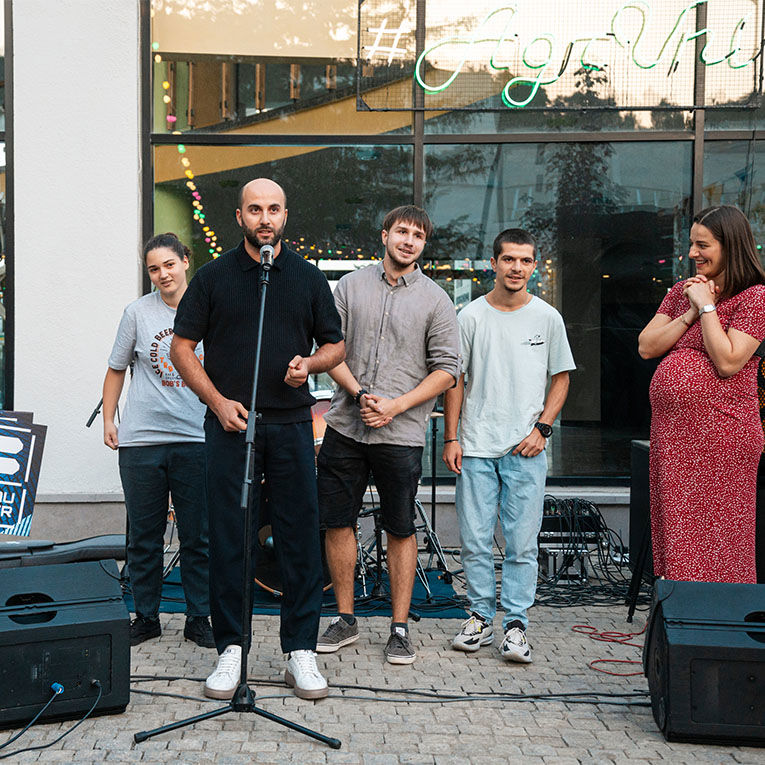
ბაუმერმა პირველკურსელებს სასწავლო გრანტი გადასცა
Dean
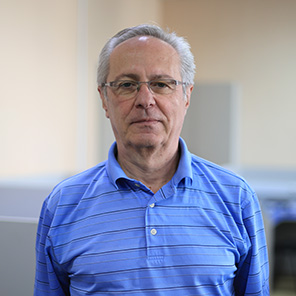
Zaza Metreveli
Professor; Dean of the School of Engineering Technology; Head of the Konstantine Amirajibi Institute of Engineering
Head of the program

Akaki Paghava
Professor; Head of the Program in Electronic and Computer Engineering
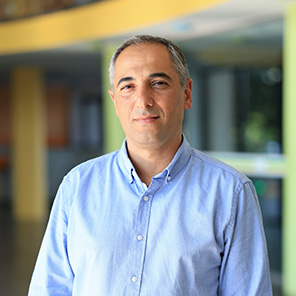
Mamuka Benashvili
Associate Professor; Head of the Program in Mechanical Engineering